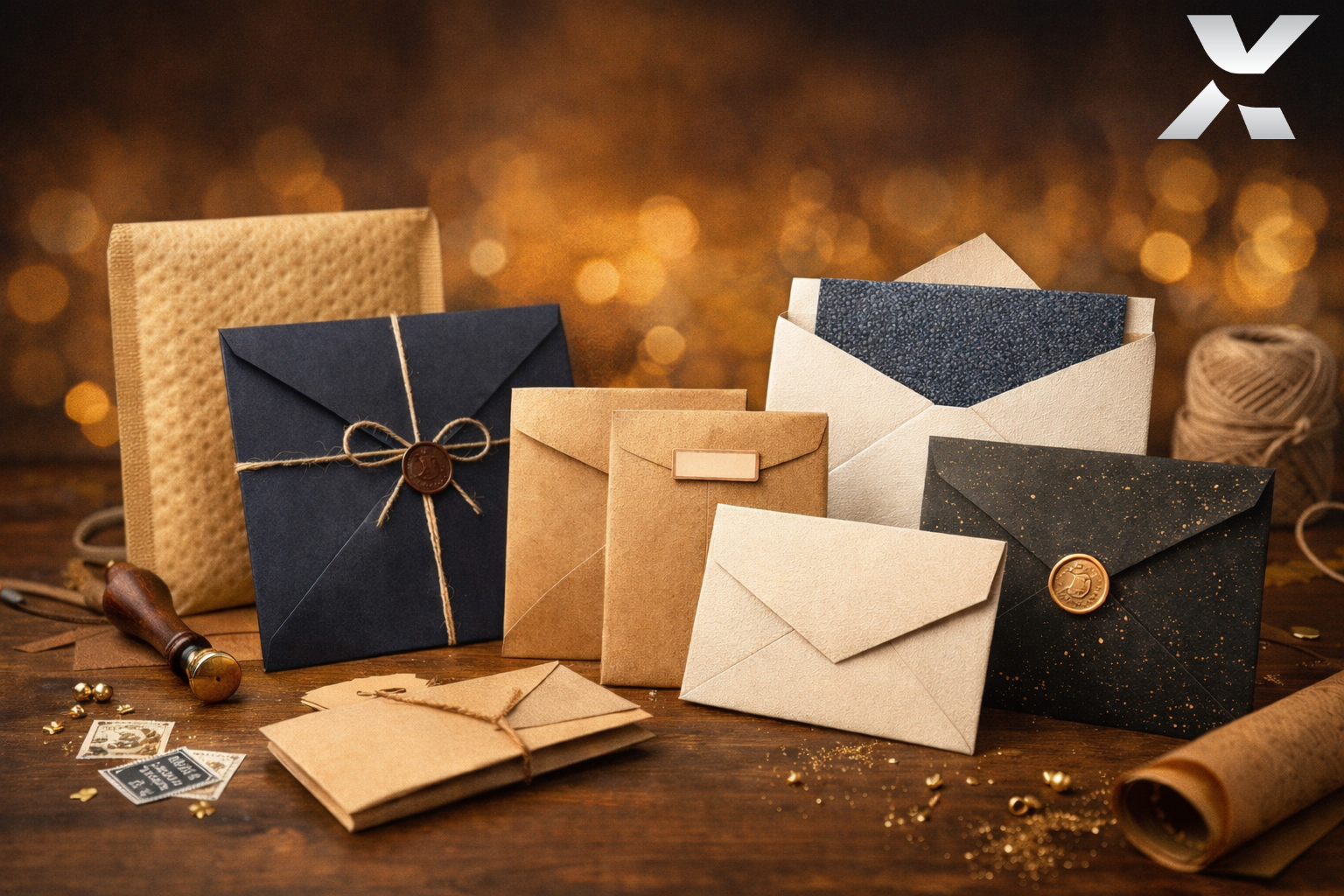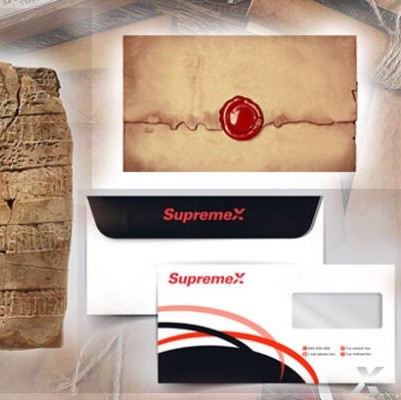
In an era dominated by digital communication, it’s easy to overlook the significance of the humble envelope. Yet, envelopes have played a crucial role in human communication for centuries, evolving alongside society’s technological and cultural advancements. From ancient origins to modern innovations, let’s embark on a journey through the fascinating evolution of envelope design.
Ancient Beginnings: From Clay Tablets to Papyrus Scrolls
The concept of enclosing messages within protective coverings dates back thousands of years. In ancient Mesopotamia, clay tablets were used as the earliest form of envelopes, inscribed with cuneiform script and sealed with clay or wax. Similarly, ancient Egyptians utilized papyrus scrolls wrapped in protective coverings for written correspondence.
Medieval Seals and Wax: The Age of Secrecy and Significance
During the Middle Ages, envelopes took on new symbolism and significance. Correspondence was often sealed with wax and stamped with personalized seals, representing the authenticity and confidentiality of the message. These decorative seals became a hallmark of medieval communication, adding an element of intrigue and security to envelopes.
19th Century Innovations: The Rise of Paper Envelopes
The advent of papermaking in China revolutionized envelope design, paving the way for mass production and widespread use. In the 19th century, paper envelopes became more affordable and accessible, fueling the expansion of postal services and facilitating long-distance communication. Innovations such as the gummed flap and the postage stamp further streamlined the mailing process, making envelopes indispensable in everyday life.
20th Century Modernization: From Air Mail to Window Envelopes
The 20th century witnessed significant advancements in envelope design and functionality. The introduction of air mail envelopes enabled rapid delivery of correspondence across continents, shrinking the world and connecting distant regions like never before. Meanwhile, window envelopes revolutionized business communication by allowing addresses to be visible through a transparent panel, streamlining mail sorting and processing.
21st Century Innovation: Sustainability and Digital Integration
As we entered the digital age, envelopes faced new challenges and opportunities. Concerns about environmental sustainability prompted a shift towards eco-friendly materials and manufacturing processes, driving innovation in envelope design. Additionally, the integration of digital technology has transformed envelopes into interactive tools for communication, with QR codes, NFC tags, and augmented reality features enhancing the user experience and expanding the possibilities of envelope design.
The Future of Envelope Design: Balancing Tradition and Innovation
As we look to the future, envelope design continues to evolve in response to changing societal needs and technological advancements. While digital communication platforms may offer convenience and efficiency, the tactile experience of receiving a physical envelope remains unparalleled. By embracing sustainability, personalization, and technological innovation, envelope designers are poised to shape the future of communication in an increasingly interconnected world.
The evolution of envelope design reflects the ever-changing dynamics of human communication, from ancient rituals of secrecy and symbolism to modern innovations in sustainability and digital integration. As we celebrate the enduring legacy of the envelope, let us appreciate its role as a timeless symbol of connection and expression in an ever-evolving world. Want to learn more? Read all about envelopes here.