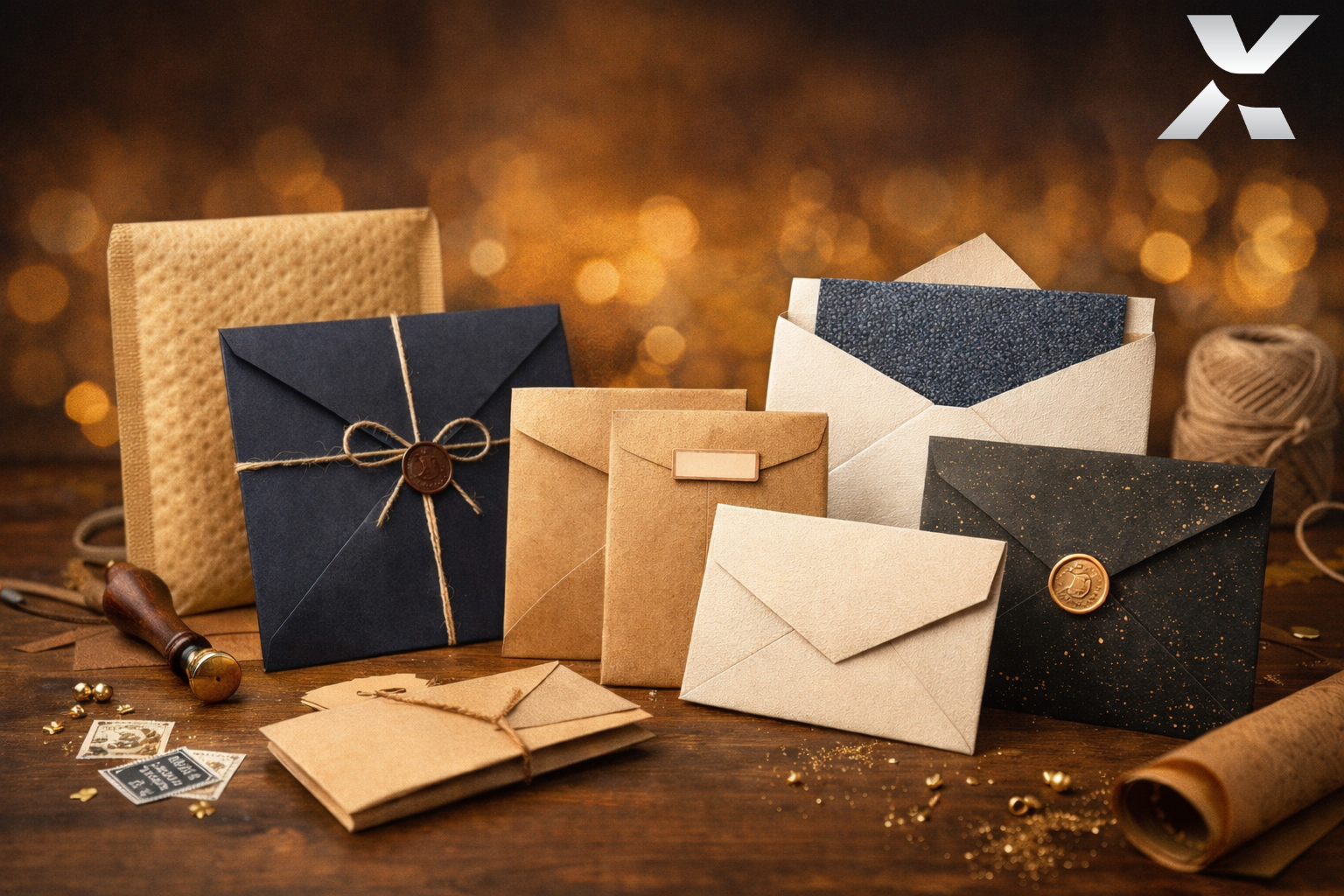
In a digital-first world where emails are deleted in seconds and online ads are easily ignored, direct mail has reclaimed its space as a powerful marketing tool. But it’s not just about putting ink on paper anymore—it’s about creating an experience. That’s where sensory mail comes in.
Combining the power of touch, sight, sound, and even smell, sensory mail is transforming how brands connect with their audiences. Here’s why it’s gaining momentum—and how your business can use it to stand out.
What Is Sensory Mail?
Sensory mail refers to physical mail pieces designed to stimulate the senses. This can include unique textures, finishes, scents, sounds, shapes, and more. It transforms a standard piece of mail into a memorable, interactive experience.
Examples of sensory enhancements include:
- Textured coatings like soft-touch, linen, or sandpaper finishes
- Embossing and debossing for a raised or pressed tactile effect
- Scented inks that release fragrance when touched
- Foils and metallic inks for visual pop
- Sound chips that play audio when the piece is opened
- Unusual shapes or folds that create curiosity and engagement
Why Is Sensory Mail Becoming So Popular?
It Cuts Through the Digital Noise
We’re bombarded with digital content daily—emails, texts, notifications, ads. Sensory mail offers a welcome break from screen fatigue and grabs attention in a way that digital simply can’t.
It Triggers Stronger Emotional Responses
Touch has been proven to influence perception and memory. A piece of mail that feels soft, textured, or luxurious creates a lasting impression and elevates perceived value.
It Increases Engagement and Retention
Studies show that multi-sensory marketing materials are more likely to be remembered and acted upon. The more senses a piece engages, the greater the brand recall.
It Adds Value to Premium Campaigns
Whether you’re launching a new product, targeting high-value customers, or sending out invitations to a VIP event, sensory mail adds an element of exclusivity and sophistication.
How to Use Sensory Mail Effectively
Know Your Audience
Before investing in specialty finishes or scents, ensure it aligns with your audience’s expectations and preferences. A high-end cosmetic brand might benefit from a velvety soft-touch envelope, while a craft brewery could use a rough, recycled paper to reflect its earthy identity.
Keep the Message Clear
The sensory elements should enhance your message, not distract from it. Make sure your call-to-action and brand story are still front and center.
Choose the Right Finish for the Right Purpose
- Soft-touch coating: Great for luxury products and premium branding
- Embossing or foil: Ideal for emphasizing logos or key messages
- Scented ink: Works well for perfumes, food, or spa-related brands
- Die-cut shapes: Excellent for creative promotions or events
Work with a Partner Who Understands Print Innovation
At SupremeX, we help you design and produce mail pieces that don’t just look good—they feel unforgettable. With our extensive expertise in specialty papers, finishes, and formats, we guide you from concept to mailbox.
Sensory mail isn’t just a gimmick—it’s a strategic way to make a deeper connection with your audience. By appealing to more than just the eyes, you can turn a mail piece into a moment, and a brand message into a memory.