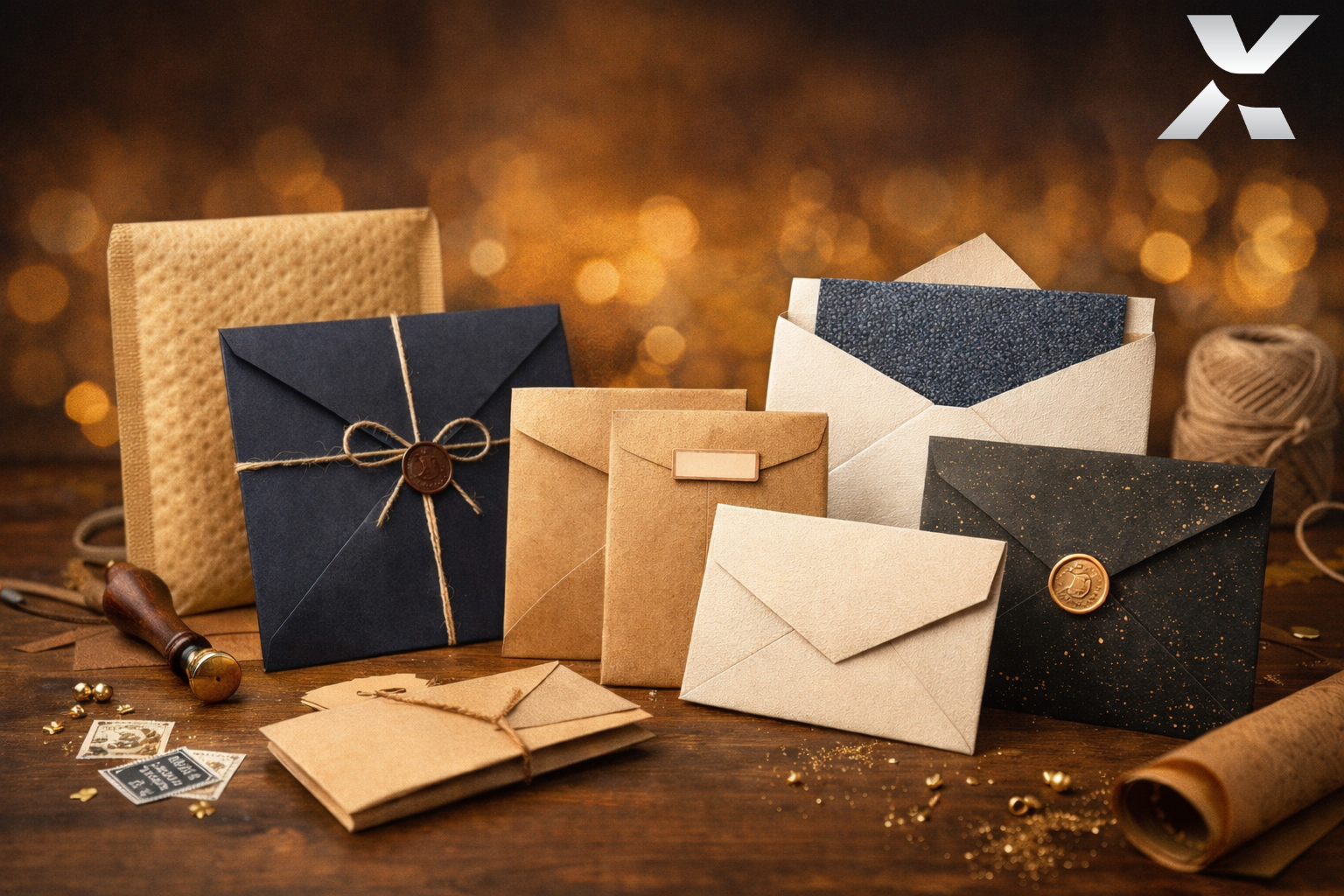
Launching a new product is an exciting journey, filled with numerous decisions that can significantly impact your product’s success. One of the most crucial elements is the packaging. Effective packaging not only protects your product but also serves as a powerful marketing tool that can attract customers and enhance their overall experience. At SupremeX, we understand the importance of getting your packaging right. Here’s a comprehensive guide to help you develop the perfect packaging for your new product.
Understand Your Product
Analyze Your Product’s Needs
Before you start designing your packaging, it’s essential to have a deep understanding of your product. Consider the following:
- Size and Shape: Determine the exact dimensions and shape of your product to ensure a snug fit.
- Fragility: Assess how delicate your product is and the level of protection it needs.
- Shelf Life: For perishable items, consider materials that can extend the product’s shelf life.
- Regulations: Be aware of any industry-specific packaging regulations or standards you must adhere to.
Identify Your Target Audience
Know Your Customers
Your packaging should appeal to your target audience. Understand their preferences and behaviors:
- Demographics: Age, gender, income level, and location can influence packaging design choices.
- Psychographics: Consider your audience’s values, lifestyle, and purchasing habits.
- Market Trends: Stay informed about current trends in packaging within your industry.
Define Your Brand Identity
Consistent Branding
Your packaging should reflect your brand identity and help build brand recognition:
- Colors and Fonts: Use brand colors and fonts consistently across all packaging.
- Logo and Tagline: Ensure your logo and tagline are prominently displayed.
- Brand Story: Incorporate elements of your brand story to create a connection with your customers.
Choose the Right Materials
Material Selection
The choice of materials is critical for both protection and presentation:
- Sustainability: Consider eco-friendly materials to appeal to environmentally conscious consumers.
- Durability: Ensure the materials can withstand handling and transportation.
- Aesthetics: Select materials that enhance the visual appeal of your packaging.
Focus on Functionality
Practical Design
Your packaging should be functional and user-friendly:
- Ease of Use: Make it easy for customers to open and close the packaging.
- Reusability: Consider designing packaging that can be reused, adding value for your customers.
- Storage and Display: Ensure the packaging is suitable for both storage and attractive display.
Design for Protection
Protective Features
Ensure your packaging provides adequate protection for your product:
- Cushioning: Consider a custom tray or insert to protect fragile items. As a bonus you can use these for additional brand messaging.
- Sealability: Ensure the packaging can be securely sealed to prevent tampering and contamination.
- Water Resistance: For products prone to moisture damage, consider waterproof materials or coatings.
Optimize for Production and Cost
Cost-Effective Solutions
Balance quality with cost-efficiency:
- Material Costs: Choose materials that offer the best protection and presentation within your budget.
- Production Efficiency: Design packaging that can be efficiently produced to minimize manufacturing costs.
- Bulk Orders: Consider ordering in bulk to take advantage of volume discounts.
Incorporate Eye-Catching Design Elements
Visual Appeal
Make your packaging stand out on the shelves:
- Graphics and Imagery: Use high-quality images and graphics to catch the eye.
- Special Finishes: Consider using embossing, foil stamping, or spot UV coatings for a premium look.
- Transparency: Use windows or transparent sections to let customers see the product inside.
Consider Environmental Impact
Eco-Friendly Packaging
Sustainable packaging is increasingly important to consumers:
- Recyclability: Use materials that can be easily recycled.
- Biodegradability: Consider biodegradable options for minimal environmental impact.
- Reduced Waste: Design packaging that uses the least amount of material necessary.
Test Your Packaging
Real-World Testing
Before finalizing your packaging design, conduct thorough testing:
- Durability Tests: Simulate shipping and handling conditions to ensure your packaging holds up.
- Consumer Feedback: Get feedback from potential customers to identify any usability issues.
- Market Trials: Conduct a small-scale launch to test packaging performance and appeal.
Conclusion
Developing the perfect packaging for your new product involves a blend of creativity, practicality, and strategic thinking. By understanding your product, target audience, and brand identity, and by focusing on functionality, protection, and sustainability, you can create packaging that not only protects your product but also enhances its marketability. At SupremeX, we offer a wide range of packaging & labelling solutions to help you achieve your goals. Contact us today to learn more about how we can assist you in developing the ideal packaging for your new product.