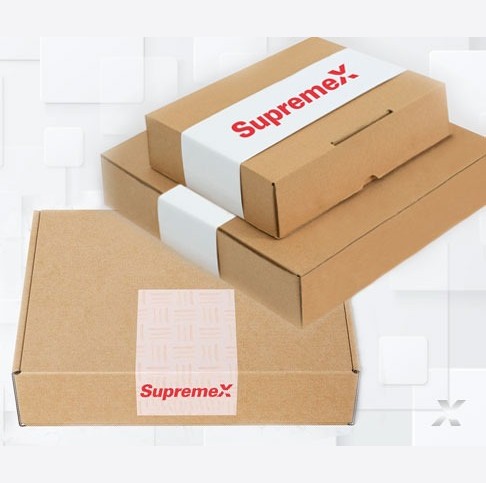
In the competitive landscape of food packaging, every detail matters. Whether you’re a restaurant, meal prep service, or food manufacturer, selecting the right packaging solution is crucial for both branding and practicality. When it comes to the identification and details of the contents in your containers paperboard sleeves and labels can simplify the variety of packaging you need as with an external identification the internal packaging can be plain. In this guide, we’ll explore the factors to consider when deciding between paperboard sleeves and labels for your meal packaging needs.
Aesthetic Appeal:
The visual presentation of your packaging plays a significant role in attracting customers. Paperboard sleeves offer a larger canvas for branding and artwork compared to labels. With sleeves, you have the opportunity to showcase vibrant graphics, logos, and messaging that can enhance the perceived value of your product. On the other hand, labels provide a more streamlined and minimalist look, which may appeal to certain demographics or align better with your brand aesthetic. Consider your target audience and brand identity when evaluating the aesthetic appeal of each option.
Branding Opportunities:
Both paperboard sleeves and labels offer opportunities for branding and storytelling. Sleeves allow for full-wrap customization, enabling you to communicate your brand’s story, values, and product features effectively. This 360-degree branding can create a memorable experience for consumers and foster brand loyalty. Labels, while smaller in size, can still convey essential brand elements such as logos, product names, and nutritional information. Evaluate the extent of branding flexibility you require and choose the option that best aligns with your branding strategy.
Practicality and Functionality:
When it comes to practicality, consider factors such as ease of application, durability, and convenience for the end consumer. Paperboard sleeves typically require the product to be slid into them individually whereas labels are easier to apply and can be machine-applied for efficiency. They adhere directly to the packaging surface, minimizing the risk of damage or misalignment. Evaluate your operational requirements and product characteristics to determine which option offers the optimal balance of practicality and functionality.
Environmental Sustainability:
In today’s eco-conscious market, sustainability is a key consideration for packaging decisions. Both paperboard sleeves and labels can be made from recyclable materials, but their environmental impact may vary. Paperboard sleeves, being larger in size, may require more material and energy for production and transportation. However, they offer the potential for reuse or repurposing, depending on the design and material used. Labels, being smaller and thinner, consume fewer resources but may pose challenges in recycling due to adhesive residues. Consider your environmental objectives and choose the option that aligns with your sustainability goals.
Cost Considerations:
Finally, evaluate the cost implications of each packaging option, including production, printing, and labor expenses. Paperboard sleeves may involve higher upfront costs due to material and printing expenses, especially for custom designs or smaller production runs. Labels, being simpler in design and application, may offer cost savings in terms of production and labor. However, consider the long-term benefits of branding, functionality, and consumer perception when assessing the overall value proposition of each option.
Choosing between paperboard sleeves and labels for your meal packaging requires careful consideration of various factors, including aesthetic appeal, branding opportunities, practicality, sustainability, and cost. By evaluating these factors in the context of your specific product requirements and business objectives, you can make an informed decision that enhances your brand image, meets consumer expectations, and drives business success in the competitive food packaging landscape. Unsure about your next steps? Contact SupremeX today – our team of seasoned product experts can walk you through the pros and cons of each option and assist you through the entire production process to ensure you make the best decision for your application, brand and budget.