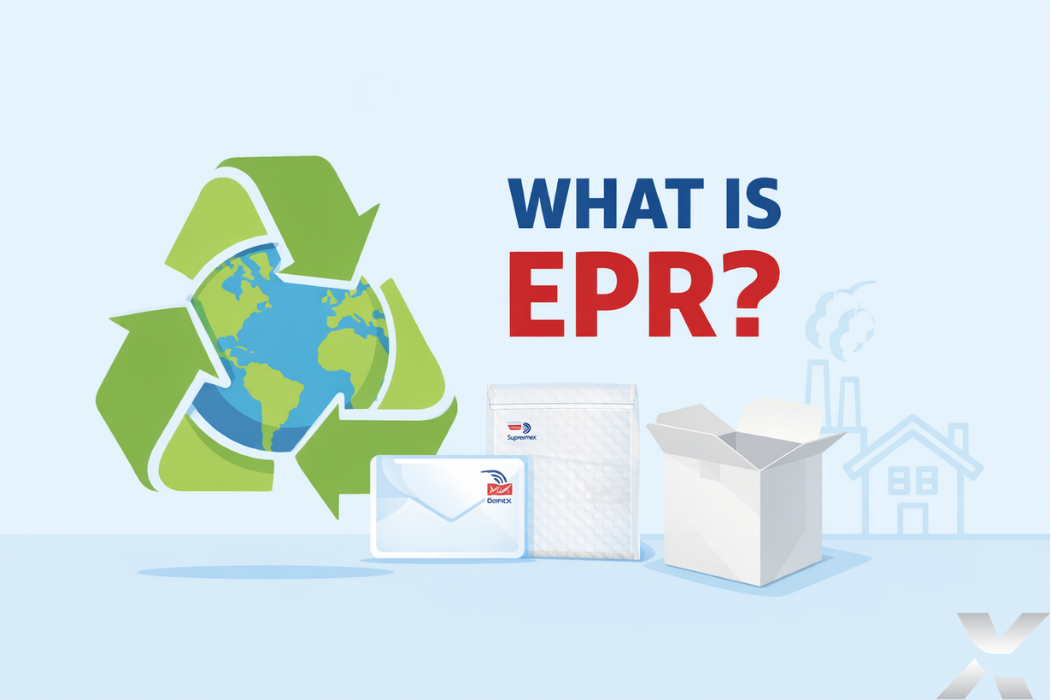
Sustainability expectations are rising, recycling systems are under pressure, and governments are introducing new policies to reduce waste. In the middle of all this change, one concept is rapidly reshaping how packaging is designed, produced, and managed: Extended Producer Responsibility, better known as EPR.
But what exactly is EPR—and why is it suddenly so important for businesses?
This guide breaks it down in clear, practical terms.
What Is Extended Producer Responsibility (EPR)?
At its core, EPR is a policy approach that shifts the responsibility for managing a product’s end-of-life—from governments and taxpayers—to the companies that create and place those products on the market.
In simpler terms:
If you make it or package it, you’re responsible for what happens to it when consumers are done with it.
This responsibility can include:
- Funding recycling programs
- Meeting material reporting and labeling requirements
- Ensuring packaging is recoverable or recyclable
- Paying fees tied to the environmental impact of packaging
- Redesigning packaging to be more sustainable
EPR goes beyond the recycling bin. It creates an incentive for companies to design packaging that is more circular, recyclable, and resource-efficient—right from the start.
Why Is EPR Becoming So Important Now?
Several forces are accelerating the global shift to EPR programs:
Rising Packaging Waste
E-commerce, small‐parcel shipments, and single-use packaging are increasing waste faster than recycling systems can manage.
The Cost Burden on Municipalities
Cities and towns have long carried the cost of collecting, sorting, and processing packaging waste. EPR shifts those costs back to the producers who create it.
Circular Economy Goals
Governments are pushing toward systems where materials stay in use longer, and waste is minimized. EPR is a major tool for supporting circularity.
Consumer Expectations
People increasingly expect businesses to demonstrate real sustainability—not just messaging. EPR drives transparency and measurable accountability.
How EPR Works in Practice
While EPR programs differ by region, most share common components:
Producer Registration and Reporting
Companies must report the types, weights, and materials of packaging they put into the marketplace.
Eco-Modulated Fees
Producers pay fees based on their packaging’s environmental impact.
For example:
- Easily recyclable materials = lower fees
- Difficult-to-recycle materials = higher fees
This encourages smarter design choices.
Investment in Recycling Infrastructure
Producer fees support systems like:
- Curbside collection
- Sorting and processing facilities
- Consumer education campaigns
Performance Requirements
Programs may set targets for:
- Recyclability
- Recycled content
- Recovery rates
- Labeling standards
Over time, these targets tend to rise—driving innovation across the packaging industry.
What EPR Means for Businesses—Especially Those Using Packaging
Whether you’re a manufacturer, brand, or e-commerce shipper, EPR affects you. Here’s how:
Increased Responsibility
Businesses must account for the environmental impact of their packaging from design through disposal.
Increased Costs—But Also Savings Opportunities
Eco-modulated fees can increase costs for inefficient packaging—but choosing more recyclable, lightweight, or mono-material designs can lower fees and reduce waste.
More Reporting and Transparency
Tracking packaging data becomes essential. Many companies are building new systems just to comply.
A Push Toward Sustainable Innovation
EPR is accelerating trends like:
- Recyclable mailers
- Fiber-based alternatives to plastics
- Right-sized packaging
- Materials that are easier and cheaper to process at end-of-life
This shift creates opportunities for companies willing to innovate now—rather than wait for compliance deadlines.
How EPR Impacts the Packaging Landscape
EPR doesn’t just influence brands—it changes the entire supply chain.
Packaging Designers
Must consider recyclability, material choices, labeling, and end-of-life design.
Manufacturers & Converters
Need to provide material transparency and create packaging that meets new regulatory requirements.
Retailers & E-Commerce Shippers
Must track and report packaging placed on the market and ensure it’s compliant.
Consumers
Receive clearer information on how to properly recycle or dispose of materials.
Recycling Systems
Receive better funding, more standardized materials, and improved infrastructure.
Why EPR Is an Opportunity—Not Just a Regulation
While EPR introduces complexity, it also offers meaningful benefits:
- Stronger brand trust
- Consumers favor companies that take responsibility for their environmental impact.
- Cost savings over time
- Optimized packaging can reduce material use, shipping costs, and EPR fees.
- Innovation and competitive advantage
- Brands that adapt early gain an edge in a more circular economy.
- A healthier recycling system
- Better funding and more consistent packaging inputs improve recovery rates nationwide.
Where SupremeX Fits In
As EPR requirements grow across Canada and expand in the U.S., organizations are looking for packaging partners who can help them navigate the complexity.
SupremeX is committed to:
- Offering packaging solutions designed with recyclability and compliance in mind
- Exploring innovative materials that support circularity
- Helping customers understand and prepare for EPR requirements
- Leading conversations about sustainability and responsible packaging
This blog is the first in a series aimed at clarifying the changing landscape and helping businesses make informed, future-ready decisions.
Final Thoughts: EPR Is Reshaping the Future of Packaging
Extended Producer Responsibility is more than a policy shift—it’s a fundamental change in how we think about packaging design, waste, and corporate responsibility.
For businesses, understanding EPR isn’t optional. It’s essential.
And with thoughtful planning and the right partners, EPR becomes an opportunity to lead—not just comply.